In October 2025 I was lucky enough to be a participant in The River Garbet workshop with Jana Winderen, held in a small town called Aulus-les-Bains nestled in the French Pyrenees, about as close as you can get to the Spanish border. This venture was undertaken with generous funding from the West Australian Department of Creative Industries, Tourism and Sport, and was held at arts residency facility CAMP.
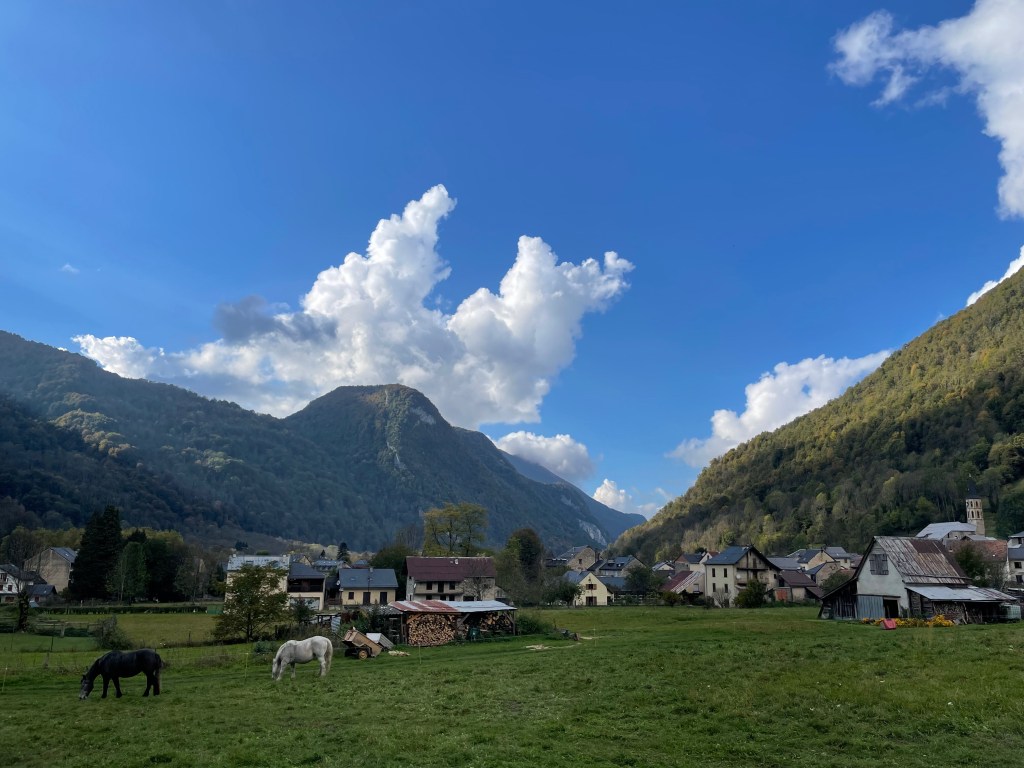
The workshop was centred around deep listening to the River Garbet, which finds its spring at the bottom of a beautifully calm mountain lake. From its origin, it flows down through the mountains and Aulus, before continuing north and reaching its confluence with the Salat, which then becomes the Garone and travels ever onwards, winding its way towards the sea.
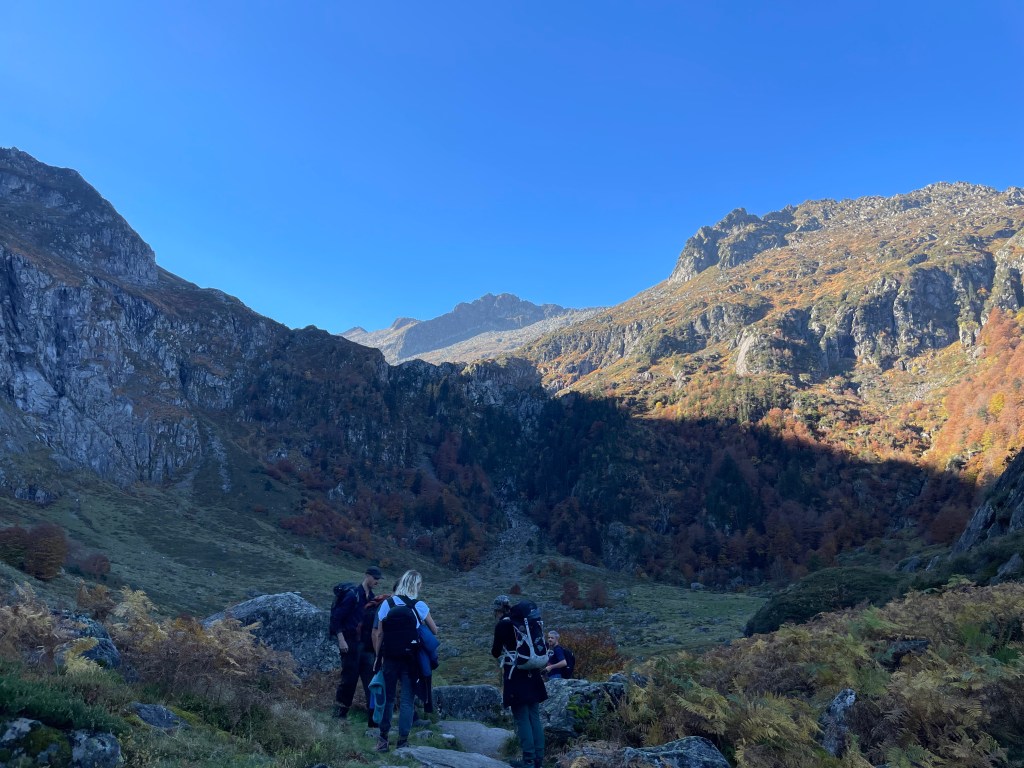
Jana is a master of field recording – her curious nature, attuned and attentive ear, skill with technology and spatial imagination combine to result in deeply engaging and evocative works. These qualities also make for an excellent mentor, who is able to direct their focus into the approach whilst still loosely holding the outcome in mind. Jana adopts an approach to listening inspired by Pauline Oliveros’ Deep Listening practice, which centres around cultivating an active awareness of sonic environment. With this laid as the groundwork for the workshop, what unfolded was a week of listening deeply both in and out of recording sessions, listening to the river and its surrounds, listening for the mating cry of the red deer in the mountains, listening to the never-quite silence of night, listening to the sounds of machinery as it made echoes around the valleys. This way of listening has the power to bring you closer to the experience of life, and is something I have since been returning to as a practice that can centre and guide in any moment.
Jana shared some great wisdom in term of the composition and construction of works based around field recording – her encouragement to prioritise capturing sonic depth of field revealed a key to her own practice and success in creating works with a rich sonic landscape and strong sense of place. While this comes together in the editing process, it starts before the moment of recording with some simple questions: ‘What can I hear now? What can I hear closest to me? What is further away?’ and continuing to ask these questions through the recording process, answering them along the way.
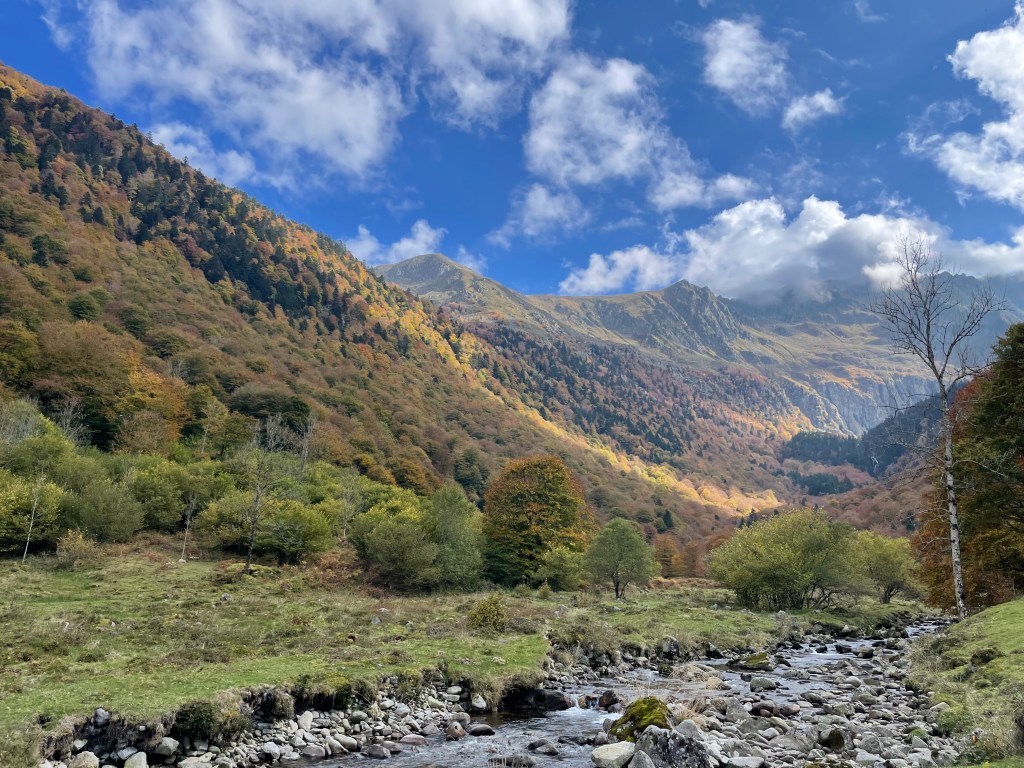
This workshop was incredibly valuable to me also on the level of learning the basics of field recording. As a performing musician I had little experience in this area prior to this experience, but received guidance in using an array of equipment, including shotgun microphones, parabolic microphones, geofons, and, most importantly for this project that centred around bodies of water, hydrophones. It’s been a long time since I learned so much in such a condensed space of time, and it was nothing short of a joy to put this new knowledge into practice in the French Pyrenees. And… I heard water in ways I never have before! Here’s an excerpt from a hydrophone recording of a particularly chatty (and somewhat jazzy) tributary flowing into the Garbet (with some minor editing including slowing down some of the sample, and panning for playback on a six channel sound system).
During the week-long residency following the workshop the recordings taken during our time in the mountains found their way into a different context, as a small group of instrumentalists took to playing music together in the evenings. Over 5 days, we recorded many hours of improvisation with a setup that utilised instruments (flutes, piano, guitar, bass, percussion, vocals), electronics, field recordings, room mics, and geofons attached to the building to invite place into the music, and tie together the sounds from ‘outside’ and ‘inside’. The spontaneous ensemble (titled ‘Trio de Quinoa’, despite being slightly more multiplicitous) will be releasing an album with the greatest hits selected from these improvisations – look out! For now, a sample or two…

